Fast, Reliable Bathroom Remodeling Across Corona
A full bathroom remodel in Corona typically runs $22,000 to $48,000 depending on scope, and the permit process usually adds three to six weeks of lead time before a sledgehammer touches tile. We know those numbers because we walk Corona lots and open Corona walls for a living, from the mid-century core around Grand Boulevard to the foothill tracts out by Dos Lagos. If you’re planning a bathroom remodel in Corona, the most important first step isn’t picking tile. It’s knowing what’s behind the tile. Call (855) 617-6356 to schedule a walk-through, and we’ll price what you actually have rather than what the listing photos suggest.
Why Holloway ADU Builders Is Corona’s Preferred Bathroom Remodeling Company
We’re an ADU-first contractor, which means we think about bathrooms differently than a generalist remodeler dabbling in vanity swaps. A bathroom is a mechanical room wrapped in finishes. In Corona, where the housing stock splits between 1950s-60s ranches and 1990s-2000s tract homes, that mechanical reality varies wildly from one block to the next. Our Bathroom Remodeling team has opened enough walls in zip codes 92877 through 92880 to know what usually hides behind them: galvanized supply lines, drywall pretending to be waterproofing, and panels already maxed out before you add a single heated towel bar.
Neil Trescott leads our Corona work personally. He’s the one who walks the lot, checks the crawlspace, and reads the city’s permit checklist before we ever write a number down. That’s not ceremony. It’s how you avoid a bid that looks clean on paper and falls apart the day the inspector shows up. When a Corona homeowner asks us why an older home’s quote includes a panel upgrade or sistered joists, we can point to the exact wall cavity that required it. That’s the difference between a contractor who quotes a bathroom and one who builds it.
Our Bathroom Remodeling Services in Corona
Full Bathroom Gut-and-Rebuild with Inspection-First Scope
Most of our Corona work in the older core near Circle City and Grand Boulevard starts the same way: we open a wall, then we write the real scope. A gut-and-rebuild means removing down to studs and subfloor, evaluating what’s load-bearing, and replacing everything with materials that pass current Riverside County code. On a 1962 ranch in 92882, that meant sistering two sagging joists and replacing drywall-as-waterproofing with a proper cement-board and sheet-membrane system. We write allowances into the contract for exactly this, so the price you sign isn’t the price that surprises you later.
Framing and Waterproofing Remediation on Older Homes
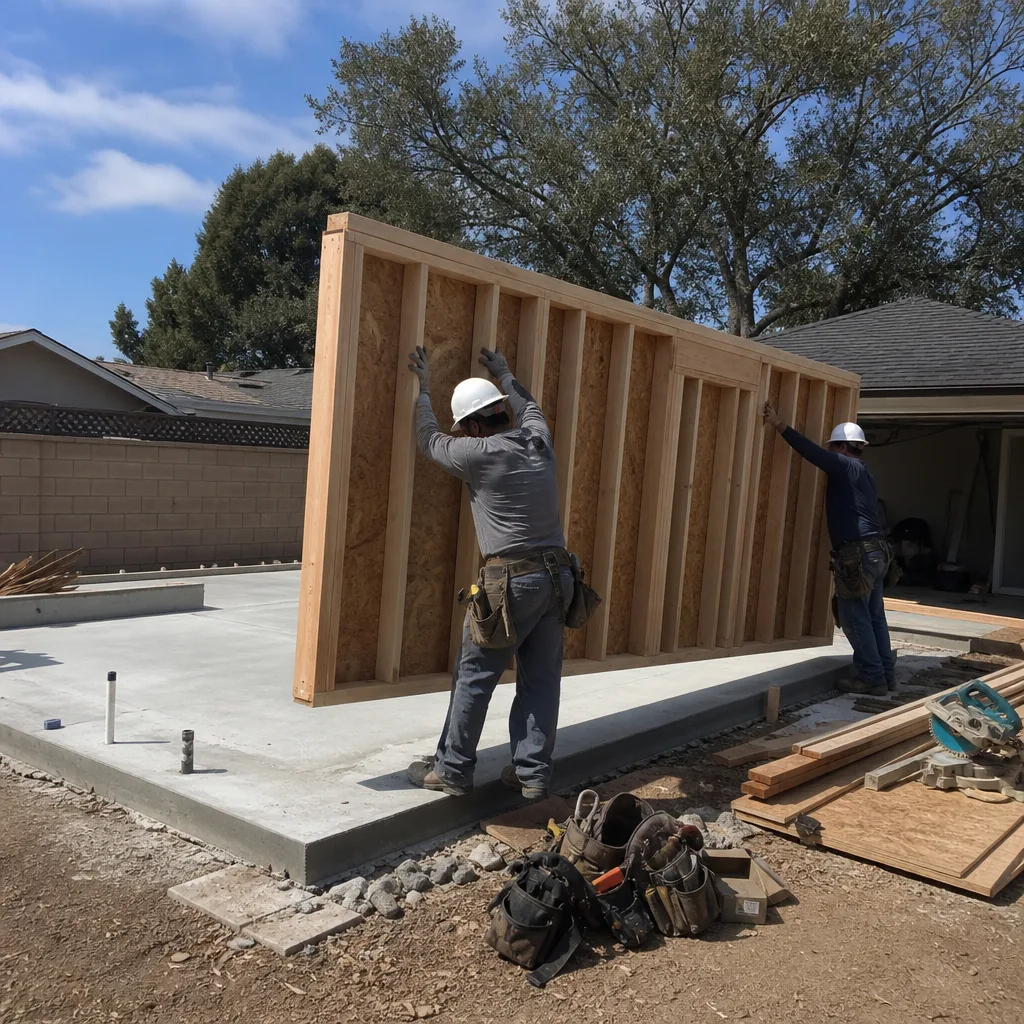
Corona’s mid-century homes predate modern shower waterproofing standards by decades. We regularly find tile adhered directly to gypsum board, which swells, softens, and eventually fails around the valve and tub lip. The fix isn’t a resurface. It’s full substrate replacement using a bonded sheet membrane or cement board with taped seams, then tile over that. In the foothill areas of 92881 and 92883, we also pay attention to the rim joists and sill plates, which take more moisture and heat stress than homeowners realize. A bathroom that fails from bad waterproofing isn’t a cosmetic problem. It’s a structural one.
Permit-Triggered Electrical and Plumbing Code Upgrades
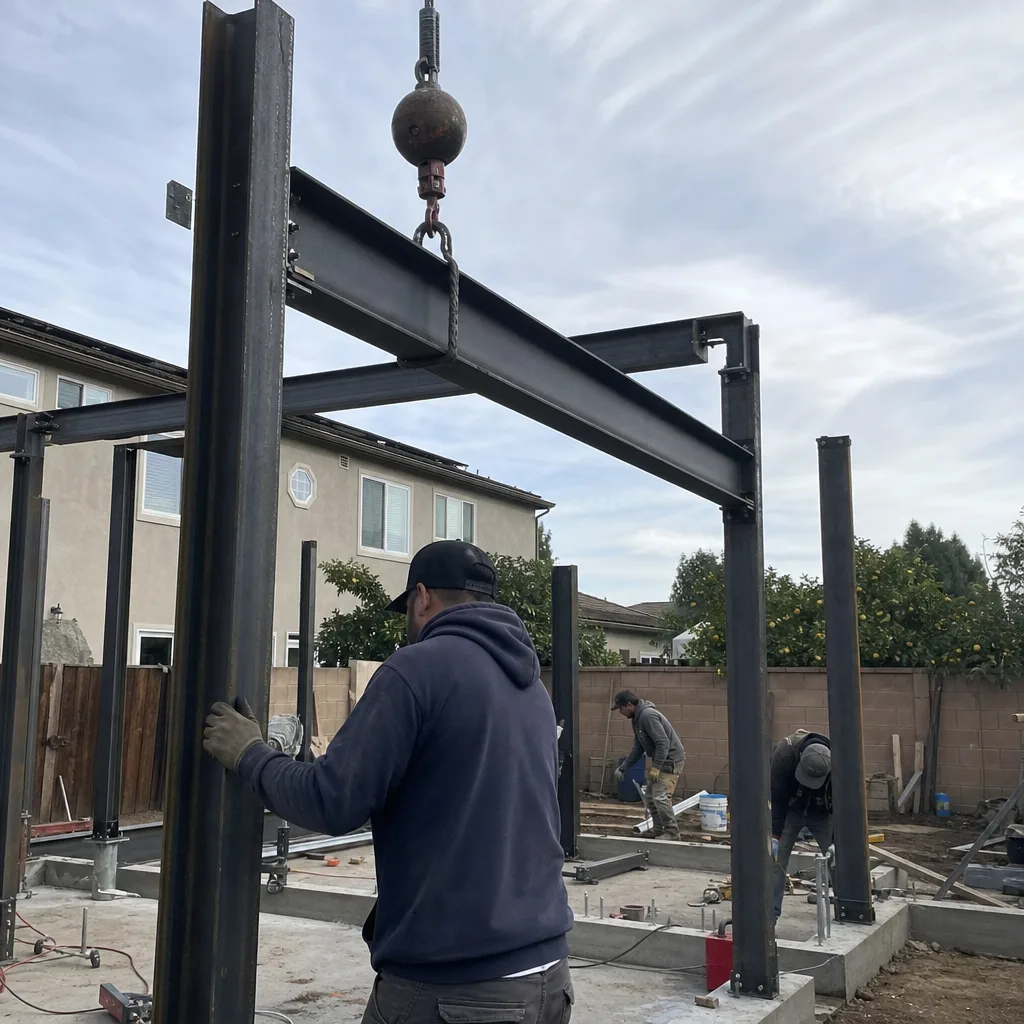
When you pull a bathroom permit in Corona, the city doesn’t just inspect the new work. It evaluates the existing systems that new work connects to. That’s why a 1950s-era bathroom remodel near Grand Boulevard frequently triggers a panel upgrade from 100 amps to 200 amps. The original panels weren’t sized for GFCI circuits, exhaust fans with humidity sensors, and the lighting loads modern baths carry. We coordinate the service upgrade with the bathroom timeline, not as an afterthought. The same applies to plumbing: original galvanized supply lines often need replacement where they tie into new fixtures. We price that from the start, not when it blows out mid-project.
HOA-Compliant Remodels in Tract Communities
Out toward Dos Lagos and Eagle Glen, the homes are newer and the panels are usually fine. But the HOA CC&Rs add a layer above city code that generalist contractors often miss. Vent placement, exterior penetrations, and even window style are sometimes governed by association rules. We have remodeled in these tracts enough to know that submitting your city permit before checking the HOA architectural review is a sequencing error that costs weeks. We read the CC&Rs first. Then we draw. Then we submit.
What happens when you call
- 1
A real person answersNo phone trees — you reach a local pro.
- 2
You get an upfront price rangeHonest numbers before anyone is dispatched.
- 3
A background-checked tech heads outLicensed & insured, dispatched right away.
- 4
You approve before work beginsNothing starts until you say go.
Trusted Brands We Service in Corona
Because Holloway ADU Builders works across the prefab and modular spectrum, we’re familiar with how bathroom interiors integrate into broader home additions. That includes the plumbing stacks, vent routings, and waterproofing approaches used in units from Mighty Buildings and Plant Prefab, plus Tuff Shed conversions where a bathroom is built into a structure never originally intended for one. This matters for Corona homeowners considering an ADU with a full bath. The same team that handles the ADU shell can finish the bathroom inside it, so you’re not coordinating a modular manufacturer, a site contractor, and a separate remodeler. One relationship for the whole build.
Common Bathroom Remodeling Problems We See in Corona Homes
- Drywall-as-waterproofing in pre-1985 homes. Corona’s mid-century stock around Grand Boulevard was built before modern shower substrate standards existed. What looks like a dated tile job is often a structural moisture problem already in progress. The fix is full tear-out and proper membrane installation, not a cosmetic overlay.
- Undersized 100-amp panels that can’t pass a permit. The city’s inspectors are thorough, and a remodel that touches wiring triggers review of the panel feeding it. Homes built before the 1980s often need a 200-amp service upgrade before the bathroom passes. We write this into the initial scope so it’s priced, not ambushed.
- Notched and sistered joists from previous plumbing work. Old drain line retrofits often took shortcuts through structural members. When we open a floor in Corona’s ranch homes, we sometimes find floor joists notched beyond what modern code allows. That requires sistering before any tile goes down, because tile doesn’t flex and cracked framing cracks tile.
- Hillside drainage constraints in 92881 and 92883. Lots that look flat from the street can have slope-drainage conditions that complicate relocating a drain or adding a bathroom. The city’s grading requirements apply once you move water lines or add new penetrations on these foothill parcels. We assess this during the initial walk, not after the concrete’s cut.
Pricing for Bathroom Remodeling in Corona, CA
A cosmetic bathroom refresh in Corona, meaning fixtures, tile, vanity, and paint with no structural work, typically runs $12,000 to $22,000. A full gut-and-rebuild in a mid-century home near Circle City runs $28,000 to $48,000, with the higher end reflecting the panel upgrades, framing repairs, and waterproofing remediation that older homes require. HOA-tract remodels out toward Dos Lagos and Eagle Glen usually land in the $24,000 to $38,000 range, since the structure is newer but the HOA compliance adds review time. A hillside bathroom in 92881 or 92883 that involves drain relocation can push toward $55,000 or more once grading and retaining-wall review enter the picture. Every quote we write includes line-item allowances for what we expect to find behind the walls. Call (855) 617-6356 for a free estimate, and we’ll walk your bathroom before we put a number on it.
We Also Serve Cities Near Corona
Our Corona bathroom remodeling work regularly takes us into the surrounding communities. We cover Home Gardens, El Cerrito Corona, Eastvale, and Norco with the same inspection-first approach we bring to Corona proper. Each of those cities has its own permit quirks and housing-age patterns, and we know the differences well enough to quote accordingly. If you’re in a neighboring community and planning a bathroom remodel, the same team that works Corona neighborhoods is available to you.
Serving Corona, CA — Our Local Coverage Area
We’re based in the Corona area and know this community well. Use the map below to see our service coverage — if you’re nearby, we can almost certainly help.
FAQs – Bathroom Remodeling in Corona
Because the first quote usually prices the surface work and ignores what’s behind it. Older Corona homes near Grand Boulevard and Circle City frequently have galvanized supply lines, drywall used as tile substrate, notched floor joists, and 100-amp panels that won’t pass a permit-driven inspection. A real quote for these homes includes the framing corrections, waterproofing rebuild, and electrical service upgrades the permit will require. That’s why our initial walk-through includes opening a wall or checking the crawlspace before we commit to a number. Call (855) 617-6356 for an exact quote, and we’ll show you what we’re pricing.
It depends on the home’s age and what the remodel touches. In many pre-1985 Corona homes, adding GFCI circuits, exhaust fans, and modern lighting to a bathroom connected to an original 100-amp panel triggers a code requirement for a 200-amp service upgrade. The city’s inspectors check the load calculations, not just the new wiring. If your home near the Circle City core hasn’t had a panel upgrade, we include that in the initial scope and coordinate it with the bathroom timeline. The upgrade isn’t optional if the inspector requires it. It’s part of passing.
Yes, in ways that have nothing to do with walls and everything to do with paperwork. The HOA’s CC&Rs govern exterior penetrations, vent placement, and sometimes even window specifications. A city permit doesn’t override your association’s architectural review. We read the CC&R documents before we finalize drawings, then submit to both the city and the HOA in the proper sequence. This avoids a rebuild order from an architectural committee after the tile is already set. It adds time to the front end, but it prevents the kind of conflict that stalls a project mid-stream.
Yes, but hillside lots in Corona’s foothill zip codes often trigger grading and drainage review that flat-lot owners never face. If you’re relocating a drain or adding a bathroom that requires new penetrations, the city evaluates slope stability and water flow. Some lots that look buildable from the street have retaining-wall requirements or drainage setback conditions that change the scope and the price. We walk these lots specifically looking for that before quoting. A bathroom remodel on a flat lot in 92880 and one on a sloped lot in 92883 may look identical on the surface, but the permit paths are not.
We write allowances for the things we expect to find, and we price anything unexpected as a written change order before continuing. Nothing gets approved verbally and then billed later. When we opened a 1962 ranch off Circle City in 92882 and found soft drywall behind the tub surround plus two notched joists, we stopped demo, wrote the scope for sistered framing and a proper membrane rebuild, and got approval before moving forward. The same applies to panel upgrades: if the inspector requires it, you’ll know the cost before the electrician shows up. Estimates are free, and the number we give you after the walk-through is built on what’s actually behind your wall. Call (855) 617-6356.
Written by Neil Trescott, Owner at Holloway ADU Builders, serving Corona and the Inland Empire.